|
When we communicate, we use both verbal and visual communication. Verbal
communication is what can be read or heard. Visual communication is what
can be seen.
For instance, the samples below all use the same word: “bank.”
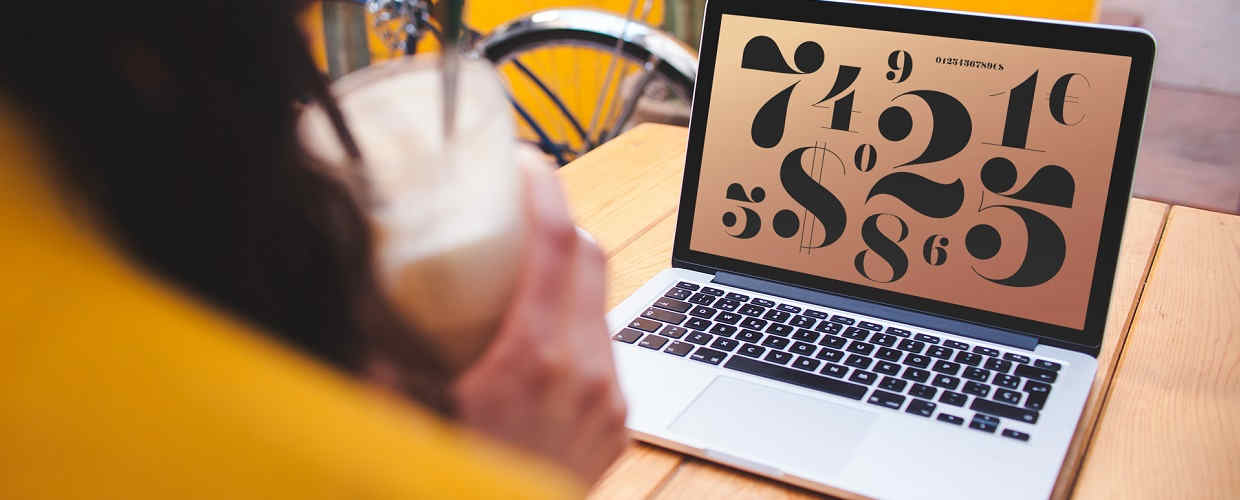
But just by changing the typeface, we dramatically change what is being
communicated about the bank:
 |
| Hardly appropriate for a financial institution,
this face might be better suited for a child’s piggy bank. |
 |
| This typeface is sturdy, reliable, and speaks
of our hip, digital age. This face might indicate an on-line bank,
where the intended audience is web-savvy, busy professionals. |
 |
| A traditional face, harking back to the original
Roman forms of the Western alphabet. The open letterforms keep it
from seeming oppressive. This face would be appropriate for a traditional,
brick-and-mortar bank, where the intended audience wants conservative,
safe, reliable policies. |
As demonstrated by these examples, the simple selection
of a typeface can have a profound impact on the message which is communicated.
The word is the same (“bank”), but our feeling about that
word changes, simply because of the typeface and whether the letterforms
are all uppercase or lowercase. This is the essence of visual communication.
Just like changing a typeface, changing a color or the placement of a
word can visually communicate something entirely different. Designers
collaborate with copywriters to ensure that the verbal and the visual
communication are entirely in concert.
Visual communication is the essence of graphic design. If visual communication
didn’t matter, everyone could create their own logos or advertisements
or brochures just by writing everything down on a piece of paper in their
own handwriting. But graphic design offers a way to utilize every possible
visual means to communicate effectively with the intended audience. It
creates forms which elicit emotional responses and which clarify, educate,
motivate, and inspire.
|